
It happens at least three times a week. Whether it's in user feedback, product reviews, or casual conversations with other founders, the question always comes up: "So, is Filo basically a better Gmail?"
We get why people ask this. It's the natural way to understand something new, by comparing it to what you already know. But every time someone frames Filo this way, we realize we're missing each other entirely.
Don't get us wrong, we understand why people make this comparison. Gmail has 1.8 billion users worldwide, making it the default email experience for most of the planet. When people discover something new, they naturally frame it in terms of what they already know.
But here's the thing: calling Filo a "better Gmail" is like calling Netflix "better cable TV" or Uber "better taxis." It completely misses the fundamental shift that's actually happening. (For a broader look at the landscape, see our roundup of the best Gmail clients in 2026.)
What Does "Better Gmail" Even Mean?
Let's be honest about what most people mean when they say "better Gmail." They're usually talking about the same improvements that dozens of email startups have promised over the years: sleeker design, faster search, better organization, enhanced privacy, or more intuitive interfaces.
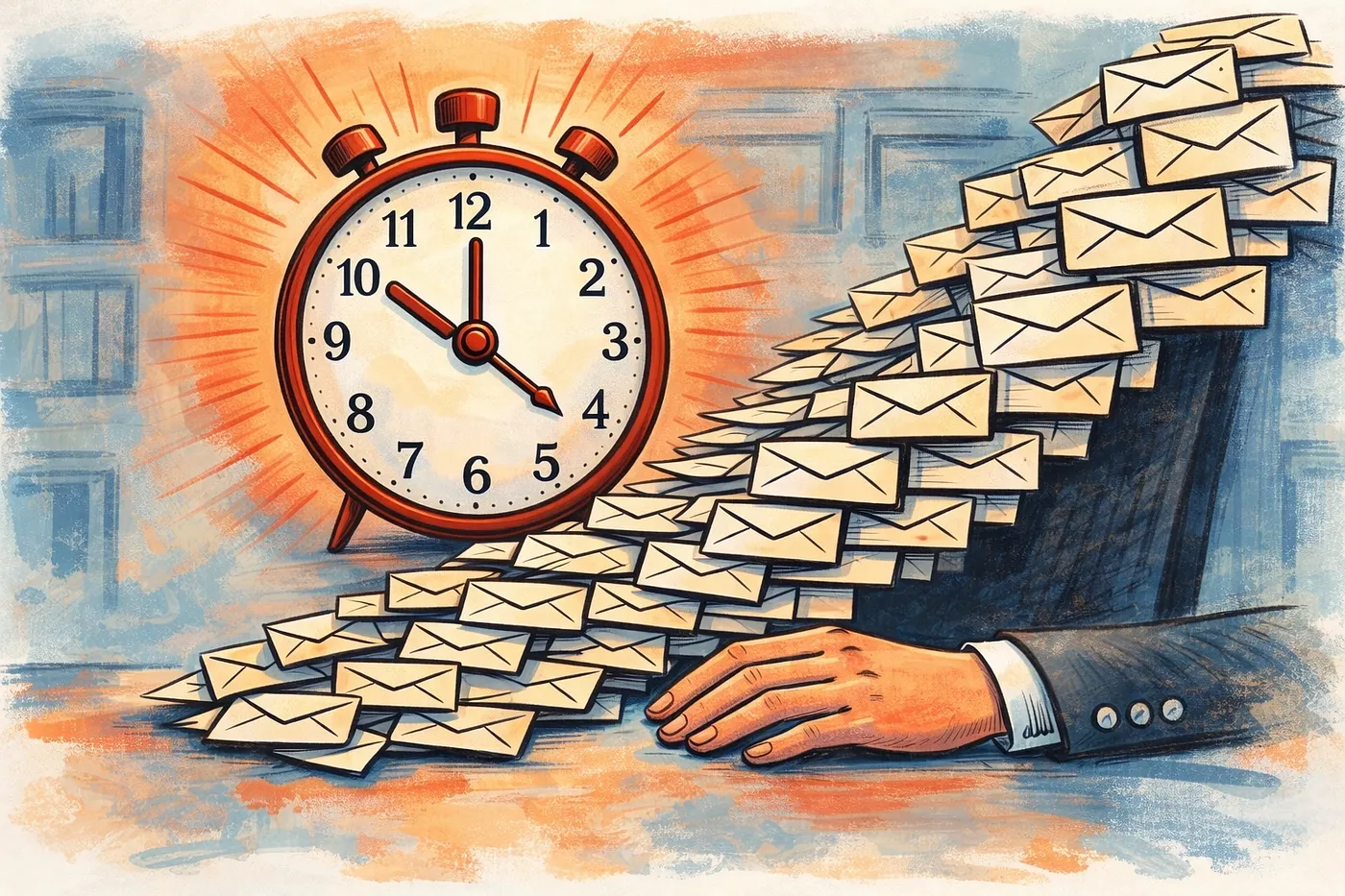
According to research analysis, the average knowledge worker spends 2.6 hours per day managing email. That's a staggering amount of time, so naturally, entrepreneurs keep trying to make email management more efficient.The problem is that all these "Gmail killers" accept the same fundamental assumption: that email is about managing digital correspondence. They're competing to build the best filing cabinet when the real question is whether we need filing cabinets at all.
Why Most Gmail Alternatives Failed
The history of email startups is littered with products that promised to transform how we handle email. Remember Mailbox? It was acquired by Dropbox for reportedly $100 million in 2013, only to be shut down two years later. Or Sparrow, which Apple acquired and then quietly discontinued.
These weren't bad products. Many had genuinely innovative features and passionate user bases. (We compared today's best Superhuman alternatives if you want to see what's still standing.) But they all made the same strategic mistake: they tried to do email management better rather than questioning whether email management was the right approach at all.
Clayton Christensen's research on disruptive innovation shows us why this happens. Incumbent products like Gmail get better and better at what they do, but they're often optimizing for the wrong metrics entirely. Gmail became incredibly efficient at helping people manage their correspondence, but nobody stopped to ask whether managing correspondence was actually what people needed to do.What Changes When AI Understands Email?
Here's where things get interesting. When we started building Filo, we weren't thinking about email management at all. We were thinking about a different problem: why does so much of our "work" involve translating information from one format to another?
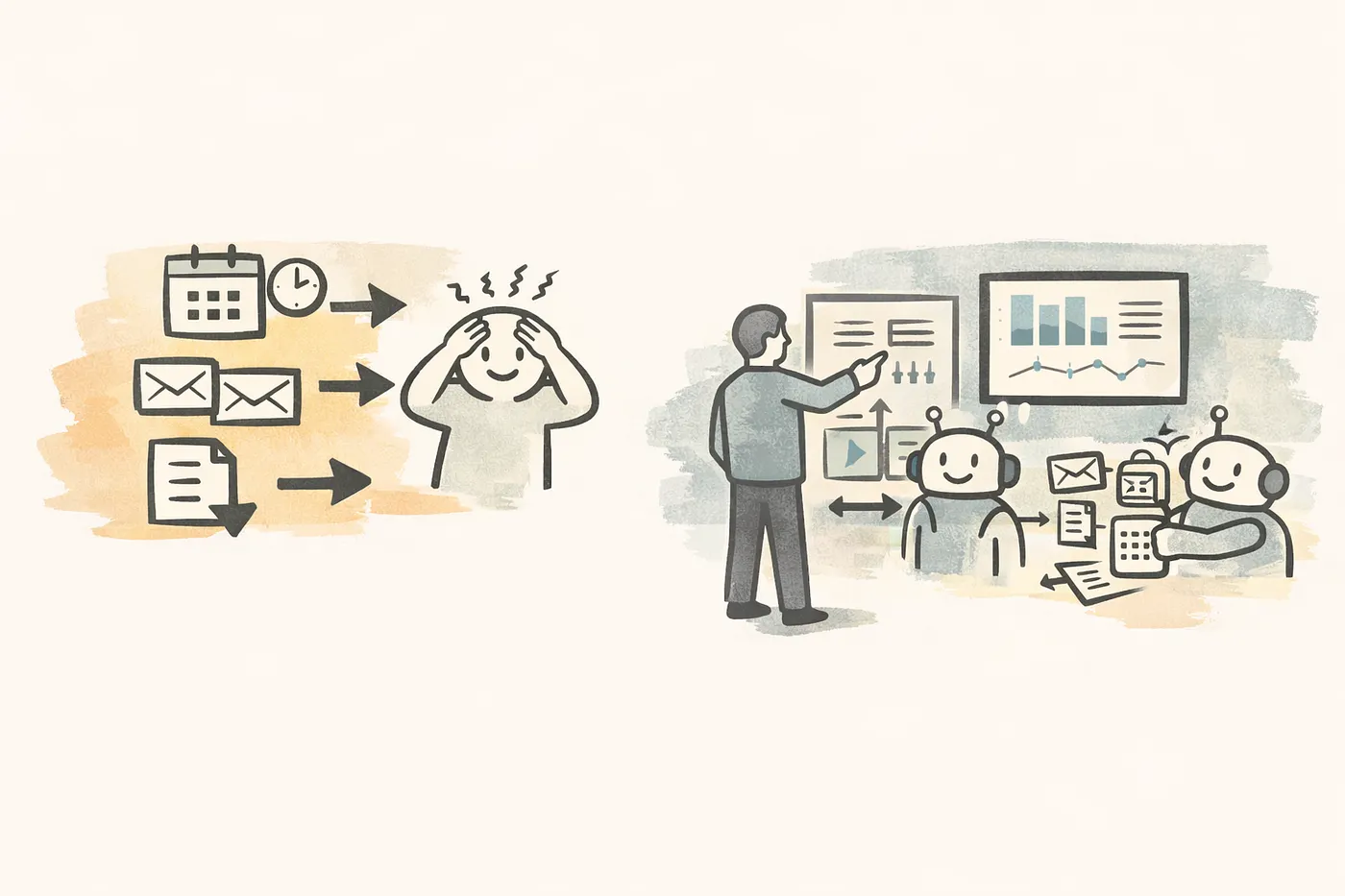
Think about your last ten emails. How many contained calendar invitations that you had to manually add to your calendar? How many mentioned deadlines that you had to manually track? How many included tasks that you had to copy into your task manager?
Research on cognitive load shows that these kinds of translation tasks create significant mental overhead. You're not actually doing productive work. You're doing data entry between different systems that should be talking to each other automatically.That's where AI changes everything. Not because it makes translation faster, but because it eliminates the need for translation entirely. This is what separates AI-native email apps from traditional clients that bolt AI features onto old architectures.
What Does AI-Native Email Actually Look Like?
Instead of asking "how can we help people manage email better," we asked "what if email managed itself?"
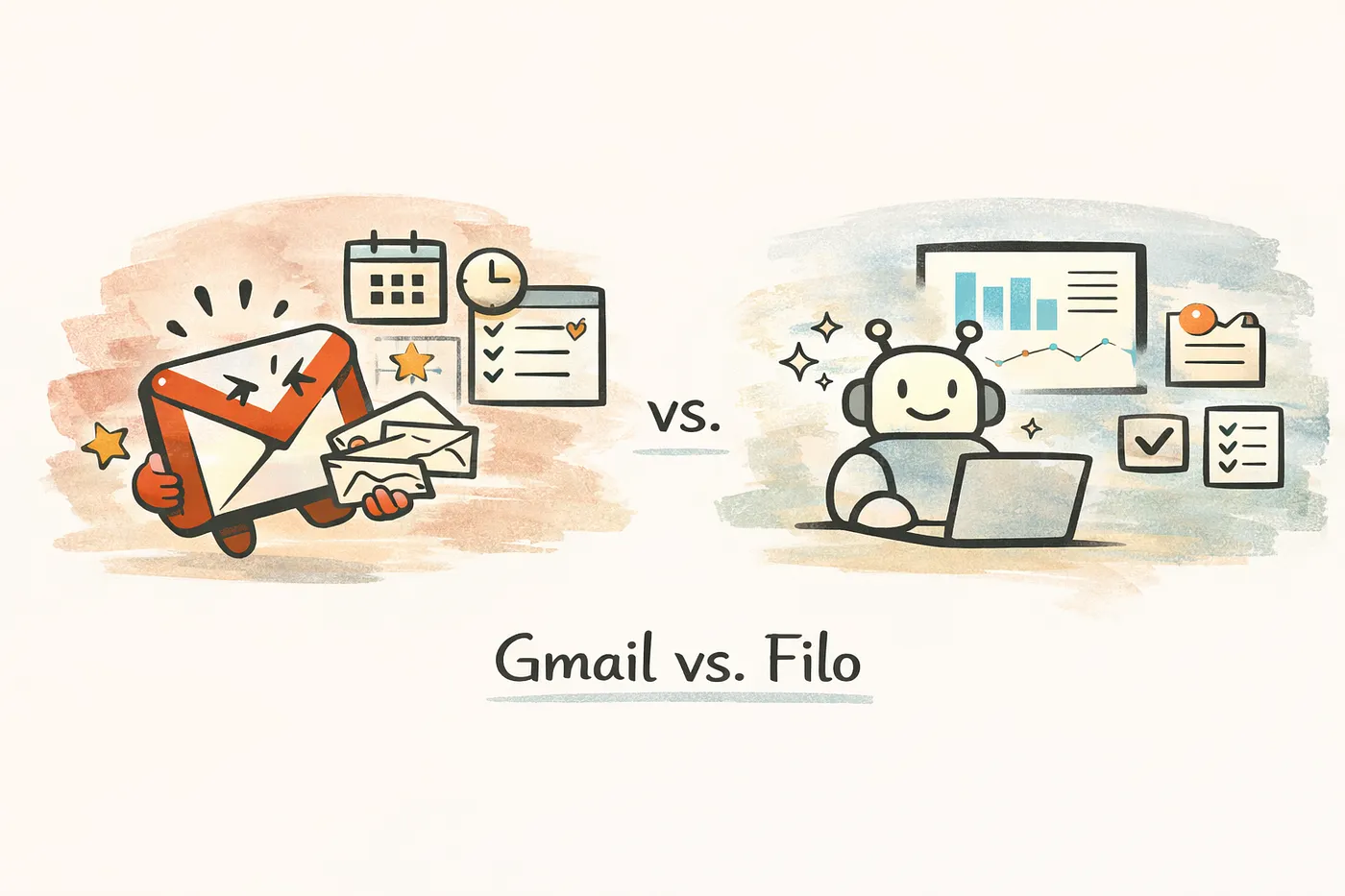
Here's a concrete example. Yesterday, our team received an email from a designer about scheduling a review meeting. In Gmail, you'd read the email, open your calendar, find a time that works, compose a reply, and send it back. Total time: about three minutes.
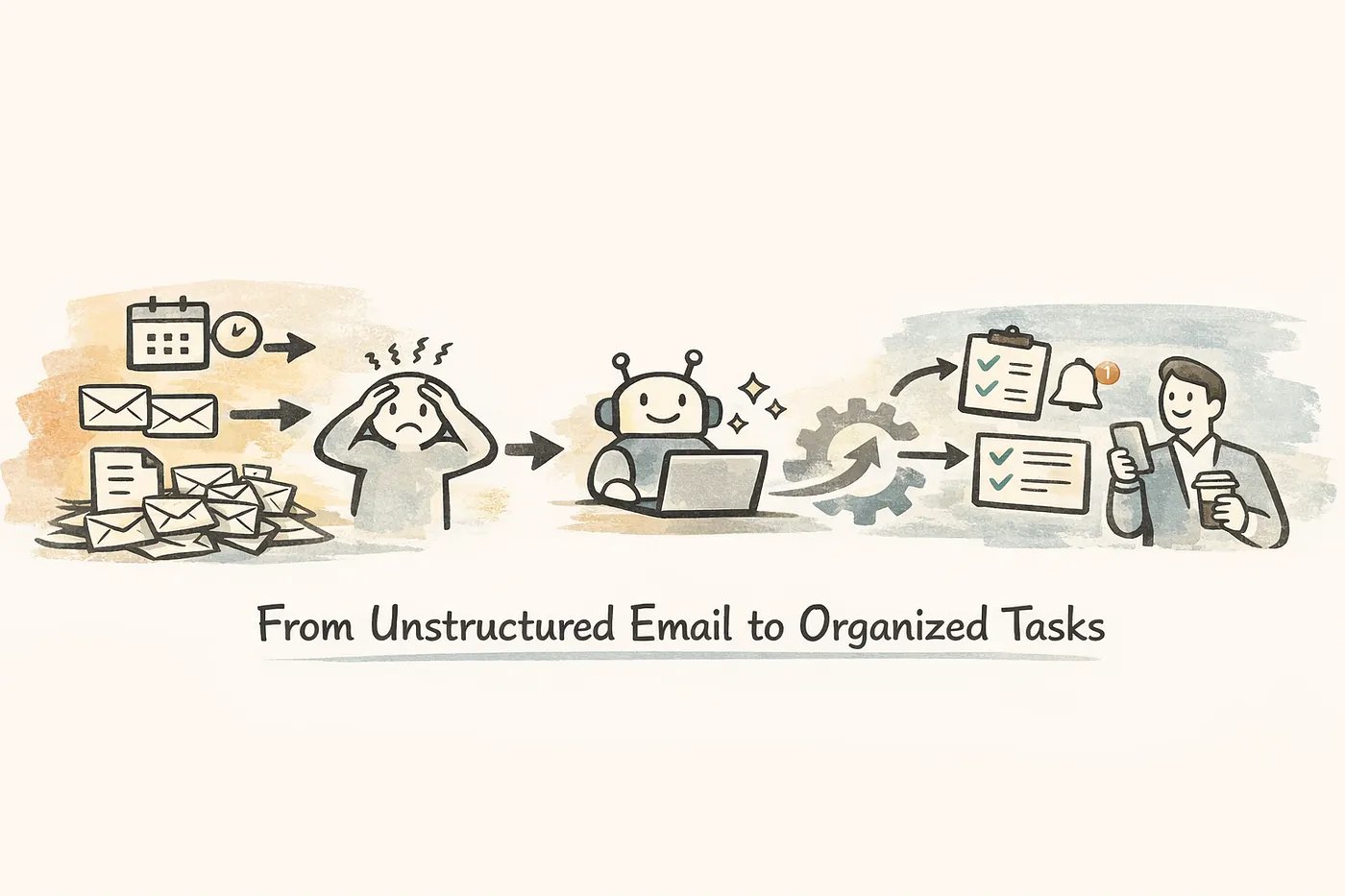
In Filo, the AI reads the email, recognizes it's an important meeting request, and automatically extracts it as a to-do with a deadline reminder. When you're ready to respond, Filo generates a contextually appropriate reply you can send with one tap, while syncing the to-do directly to your calendar for scheduling. Total time: about fifteen seconds.
The difference isn't just efficiency — it's a completely different interaction model. You're not managing email; you're making decisions about your work while the AI handles the administrative overhead.
Why Starting From Scratch Matters More Than You Think
Building on top of existing systems feels efficient, but it often locks you into their limitations. Gmail's architecture was designed for 2004, when AI was science fiction and "smart" features meant better spam filtering.
Paul Graham writes about this in his essay on startups: sometimes the best solutions come from ignoring existing approaches entirely and solving the underlying problem from first principles.That's what we did with Filo. Instead of building on IMAP protocols and folder structures that assume human sorting, we designed data flows optimized for AI understanding. Instead of interfaces designed around manual message management, we built workflows that assume intelligent automation.
But What About Gmail's Network Effects?
This is usually when someone brings up network effects. "Gmail has billions of users," they say. "Everyone's already using it. Why would they switch?"
It's a fair point, and network effects are real. But they're not as insurmountable as they seem, especially in email. Email itself is an open protocol, so you can send messages between any email systems. The switching cost is primarily habit and inertia, not technical lock-in. (And with CASA Tier 3 verification from Google, trust shouldn't be a barrier either.)
More importantly, network effects can become liabilities when the underlying landscape shifts. BlackBerry had incredibly strong network effects in enterprise messaging. Harvard's analysis of BlackBerry shows how those same network effects made it harder for them to recognize and respond to the smartphone revolution.
We think AI represents a similar fundamental shift for email. The question isn't whether Gmail is good at what it does (it absolutely is). The question is whether what it does is still the right thing to do.
What Problem Is Filo Actually Solving?
So if we're not building "better Gmail," what are we building?
Filo is what happens when you design email for AI-first workflows instead of human-first correspondence management. It's less like Gmail and more like having a really smart assistant who happens to use email as one of their information sources.
The core insight is that most email isn't actually mail. It's structured data about things that need to happen. Calendar invitations, task assignments, confirmations, updates, notifications. These aren't letters; they're signals about your work and life that happen to be delivered through email protocols.
Research from the McKinsey Global Institute found that knowledge workers spend 28% of their time managing email, but only about 14% of that time is actually productive communication. The rest is administrative overhead that could theoretically be automated.That's exactly what Filo does. It automates the administrative overhead so you can focus on the actual decisions and communications that matter.
How Do You Know When You're Solving the Right Problem?
The best validation we've gotten isn't from feature comparisons with Gmail. It's from user messages like this one we received last week: "I realize I haven't thought about email in three days. It just... works."
That's the experience we're optimizing for. Not "I managed my email efficiently" but "email didn't get in my way while I was doing important work."
Jobs-to-be-Done theory, popularized by Clayton Christensen, suggests that customers don't actually want products; they want progress in their lives. People don't really want email management; they want to get work done without being overwhelmed by information.When you frame the problem that way, the solution looks completely different.
What Does This Mean for the Future of Email?
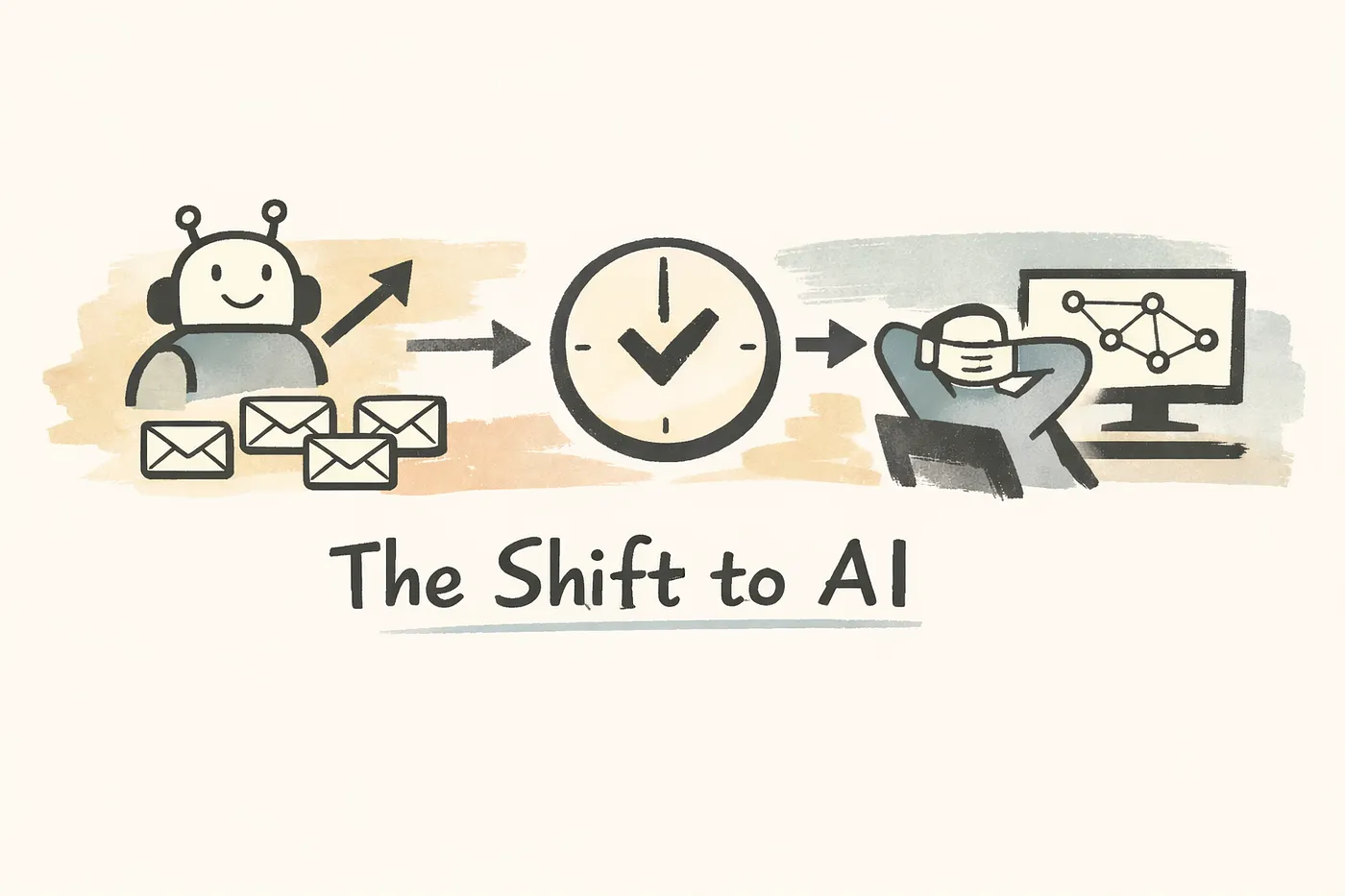
We're at the beginning of a much larger shift in how digital work happens. AI doesn't just make existing processes faster — it makes many existing processes unnecessary.
Email is just the most obvious example. But the same principle applies to scheduling, task management, document creation, and dozens of other activities that currently require human attention but probably shouldn't.
Benedict Evans writes about this transition: how AI changes not just how we do things, but what we need to do at all. We're moving from a world where humans use tools to get work done to a world where humans direct AI systems that get work done.Email happens to be a perfect domain for this transition because so much of "email work" is actually just pattern recognition and data transformation, exactly what AI is good at.
Why This Isn't Just About Email
The bigger question is what happens when this approach expands beyond email. What does project management look like when AI understands context automatically? What does customer service look like when AI can resolve most issues without human intervention? What does content creation look like when AI can generate, edit, and distribute based on high-level intentions?
We started with email because it's a domain where the benefits of AI-native design are immediately obvious. But the principles apply much more broadly.
The future belongs to software that thinks with you, not software you have to think about. Email just happens to be where we're starting to prove that out.
So Is Filo Better Than Gmail?
Coming back to that recurring question: "Is Filo better than Gmail?"
It depends what you mean by "better." If you want to manage email more efficiently, Gmail is genuinely excellent at that. It's been refined over two decades to be the best possible email management experience.
If you want email to manage itself while you focus on work that actually matters, that's what we built Filo for.
The choice isn't really about features or interface design. It's about whether you want to get better at email management or whether you want to get beyond email management entirely.
We chose the second path because we believe that's where all digital work is heading. AI isn't just going to make us more efficient at current processes. It's going to make many current processes obsolete.
Whether that's "better" depends on what you're trying to accomplish. But for those of us who are tired of email being a second job, it feels like progress.
Ready to experience email that thinks with you instead of email you have to think about? Filo is now available on every platform. Try Filo free on iOS, Android, macOS, or Windows.
Want to join the conversation about AI-native productivity? Connect with us on Discord or follow our journey @Filo_Mail.
Growth Lead at FiloMail


